Applying AI to Enhance Student Feedback Loops: A Practical Approach for Teachers

automated workflow

Applying AI to Enhance Student Feedback Loops: A Practical Approach for Teachers

Teachers today face mounting demands to provide timely, personalized feedback to students while managing classroom instruction and administrative duties. While much attention has been given to automating lesson planning or administrative workflows, a less-covered yet impactful opportunity is leveraging AI to streamline and enrich student feedback loops. This article focuses on practical AI operations that help teachers efficiently gather, analyze, and respond to student work and reflections—strengthening learning outcomes with clear, actionable AI workflows.

Why Focus on AI for Student Feedback?

Student feedback is essential for learning progress, but it is often time-consuming and repetitive when done manually. Many teachers struggle to provide detailed, individualized feedback at scale, leading to delays or generic responses. AI can assist by automating routine aspects of feedback collection and initial analysis, freeing educators to focus on high-value, personalized guidance.

This targeted use of AI addresses a notable content gap: while general AI tools for teaching exist, few resources show how to implement task-relevant AI workflows that support the full feedback cycle—from student submission to teacher response.

Designing Task-Relevant AI Workflows for Feedback Management

A task-relevant AI workflow focuses specifically on the feedback loop. Below is a practical example of such a workflow:

  • Automated Collection and Categorization: Students submit written reflections or assignments via an online platform. An AI agent automatically categorizes submissions by topic, difficulty, or skill area using natural language processing (NLP).
  • Preliminary Analysis and Highlighting: The AI scans submissions to identify common errors, misconceptions, or exemplary answers, flagging them for the teacher’s attention.
  • Personalized Feedback Suggestions: Based on identified patterns, the AI generates draft feedback snippets tailored to each student’s needs, which the teacher can edit or approve.
  • Progress Tracking and Reporting: The system aggregates feedback data to track individual and class-wide progress over time, assisting teachers in adjusting instruction.

Practical Example: Implementing AI Feedback in a Language Arts Class

Imagine a middle school language arts teacher managing essays from 30 students weekly. Using a simple AI workflow:

  1. Students upload essays to a shared platform.
  2. An AI tool analyzes grammar, vocabulary use, and thematic content, tagging essays by common issues such as passive voice misuse or weak thesis statements.
  3. The teacher reviews flagged essays first, focusing on critical points highlighted by the AI.
  4. For each essay, the AI suggests feedback comments like “Consider strengthening your thesis,” which the teacher customizes before sending.
  5. The platform tracks improvements on flagged issues in subsequent submissions, providing visual progress reports to both teacher and student.

This workflow reduces the initial manual review time while maintaining personalized engagement and data-driven insight.

Key Considerations for Successful AI Feedback Workflows

  • Maintain Teacher Oversight: AI-generated feedback should assist, not replace, the teacher’s professional judgment.
  • Use Plain-Language AI Tools: Select AI applications that provide clear explanations and editable feedback suggestions, ensuring transparency.
  • Integrate Seamlessly: Choose platforms that fit naturally into existing classroom routines to avoid disruption.
  • Focus on Measurable Outcomes: Track time saved in grading and improvements in student learning to justify AI adoption.

Next Steps: Bringing AI Feedback Workflows to Your Classroom

Teachers interested in implementing this approach should start by identifying the most time-consuming feedback tasks in their routine. Next, explore AI tools offering NLP-based analysis or feedback generation compatible with your teaching platform. Pilot the workflow on a small scale, gather student and teacher feedback, then iterate for improvement.

For a broader understanding of AI workflows tailored to educators, consider exploring practical AI development for teachers on SurveySport.

Conclusion: A Practical Takeaway

Leveraging AI to enhance student feedback loops is a practical, actionable step for teachers seeking to improve both efficiency and learning quality. By automating routine aspects of feedback collection and preliminary analysis, educators gain more time for meaningful interaction and targeted support. The key is adopting clear, task-relevant AI workflows that respect teacher expertise and focus on measurable improvements in classroom outcomes.

Start small, prioritize transparency, and measure impact—this approach transforms AI from a buzzword into a valuable classroom partner.
How Membership Site Owners Can Use Automated AI Blueprints to Scale Premium Downloadable Assets

How Membership Site Owners Can Use Automated AI Blueprints to Scale Premium Downloadable Assets

Running an educational membership site or digital product network means juggling content creation, community engagement, and recurring revenue goals—all often with a small or no team. What if you could deploy automated AI workflows to generate premium downloadable assets on demand, accelerating your revenue without adding overhead? This article explains practical AI operations designed for membership site owners, course creators, and community leaders who want to streamline their content pipeline with AI-driven drafting engines and blueprints.

Common Challenges for Educational Membership Site Owners

Membership site owners face unique operational pain points that often limit growth and productivity:

  • Content Bottlenecks: Regularly producing fresh, high-quality downloadable assets like journals, affirmation cards, or planners can overwhelm solo creators or small teams.
  • Scaling Without Staff: Hiring to scale increases costs and management overhead, often unrealistic for niche or emerging communities.
  • Maintaining Member Engagement: Recurring revenue depends on monthly drops and retention content, which requires consistent and varied asset production.
  • Time-Consuming Manual Drafting: Designing each printable or worksheet from scratch takes hours, reducing time for strategic growth.

These challenges create friction that slows down revenue growth and member satisfaction.

How Automated AI Blueprints Provide Practical Solutions

Automated AI blueprints and drafting engines are task-specific AI workflows designed to generate niche-relevant digital products with minimal manual input. For example, an AI workflow can:

  • Draft a set of Moon ritual journals or Soft life affirmation cards using trending themes and high-volume aesthetics like bold KDP cover styles or cozy cottage core.
  • Generate evergreen assets such as habit trackers, gratitude journals, or self-care planners that appeal to membership subscribers year-round.
  • Create bundled products combining starter guides, worksheet sets, and bonus checklists ready for immediate upload and sale.
  • Automate variations by adjusting seasonal modifiers to produce New Year reset journals or Valentine self-love cards, capitalizing on repeat purchase spikes.

By deploying these AI workflows, membership site owners can rapidly expand their asset libraries, meeting audience demand with less human labor and faster turnaround.

Real-World Use Cases for AI-Driven Asset Creation

Consider a course creator managing a membership site focused on personal development. Traditionally, producing monthly printables for members might require days of work or outsourcing. Using an AI blueprint, the creator can:

  • Input parameters defining style, theme, and content scope (e.g., “pastel classroom aesthetic” + “bilingual classroom affirmation cards”).
  • Trigger the AI drafting engine to produce a complete worksheet set or printable reward coupons tailored to the audience.
  • Review and customize the generated assets quickly, then bundle them with complementary lead magnets like Pinterest pin packs or PLR license pages.
  • Schedule monthly drops of exclusive bundles, keeping members engaged and increasing retention without adding manual content creation hours.

This approach scales content production, enabling community leaders to focus on strategic growth rather than repetitive design tasks.

Integrating AI Workflows into Your Membership Business Operations

To implement automated AI blueprints effectively, membership site owners should adopt clear, task-relevant AI workflows that align with their operational goals. Here are practical steps to get started:

1. Define Your Asset Priorities

Choose niches or themes based on marketplace discovery data like trending moon ritual journals or underserved substitutes such as no-prep SEL reflection pages. Prioritize assets with high bundle and viral potential to maximize impact.

2. Build or Acquire AI Drafting Engines

Use AI tools designed for content generation that allow customization for style, format, and niche. These engines can produce initial drafts of journals, cards, or planners ready for review and export.

3. Automate Workflow Integration

Connect your AI drafting engine with your membership platform’s content management system to automate upload and distribution of new assets. This reduces manual steps and speeds up delivery to members.

4. Monitor and Iterate

Track engagement metrics and recurring revenue growth linked to AI-generated asset drops. Use feedback to refine AI prompts and asset themes, ensuring continued relevance and member satisfaction.

Practical Internal Resources for Further Learning

To deepen your understanding of AI operations tailored to educational membership sites and course creators, explore these well-structured resources:

Frequently Asked Questions

Can I use AI blueprints if I don’t have technical expertise?

Yes. Many AI tools offer user-friendly interfaces that don’t require coding skills. The key is defining clear prompts and integrating workflows with your existing platform.

How do AI-generated assets maintain quality and uniqueness?

AI drafts provide a strong starting point but should be reviewed and customized to match your brand voice and audience preferences. This blend ensures professional, unique content.

Will AI replace human creators in membership sites?

AI is best used as a productivity tool to assist creators, not replace them. It handles repetitive tasks, freeing you to focus on strategy, engagement, and personalized member support.

What types of downloadable assets work best with AI automation?

Assets like journals, affirmation cards, worksheets, planners, and printable coupons are ideal since they follow structured formats and can be adapted easily with AI.

Conclusion: Build Your Calm Routine with AI-Driven Content Creation

For educational membership site owners and course creators, automated AI blueprints offer a practical path out of content bottlenecks and scaling challenges. By incorporating task-relevant AI workflows, you can generate premium downloadable assets efficiently—boosting member engagement and recurring revenue without expanding your team. Start by selecting niche themes with proven demand, deploy AI drafting engines tailored to your marketplace, and create a repeatable content production cycle that supports your business growth.

Ready to build your calm routine and accelerate your membership site’s productivity? Explore the practical AI workflows resource to take your first measurable step today.
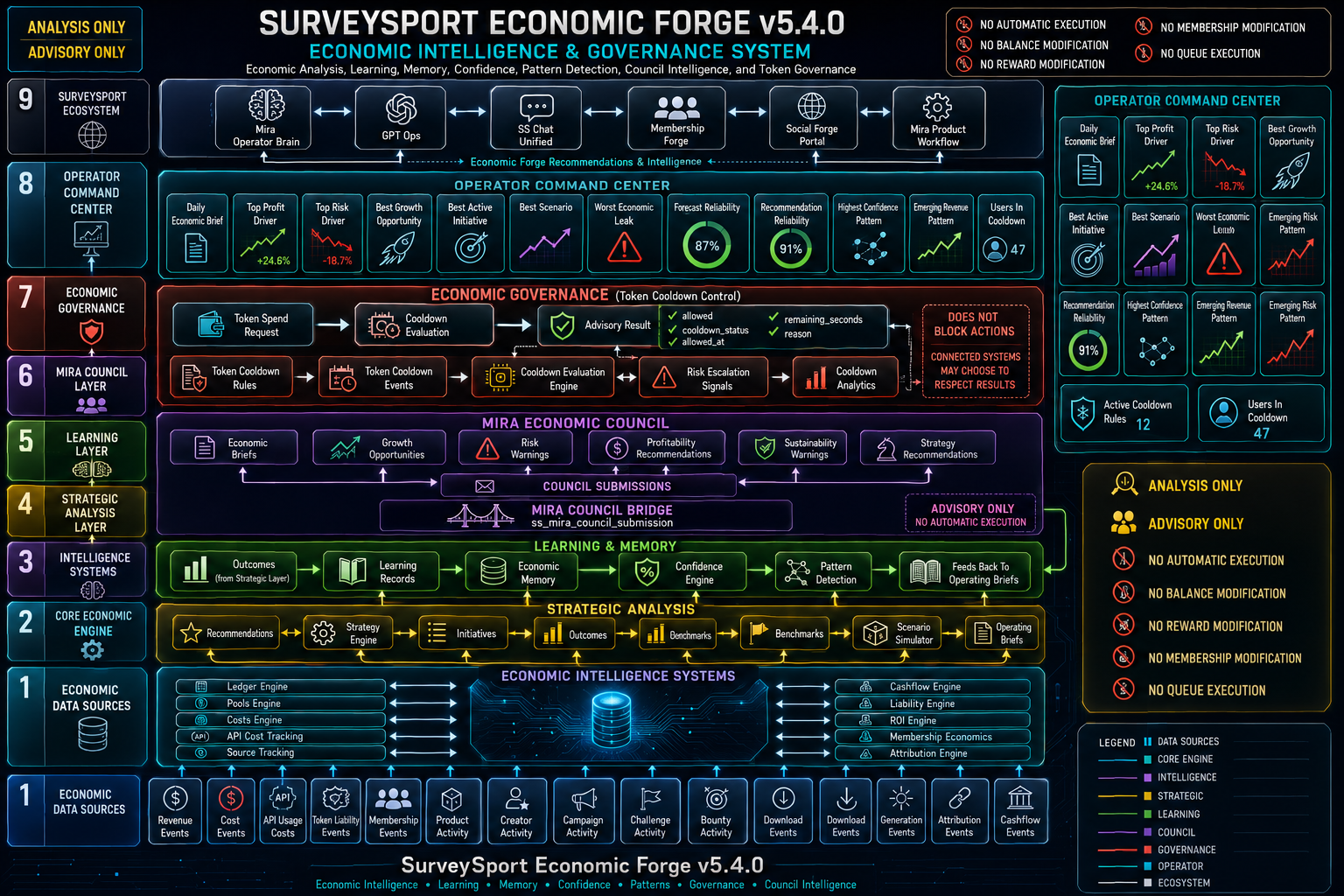
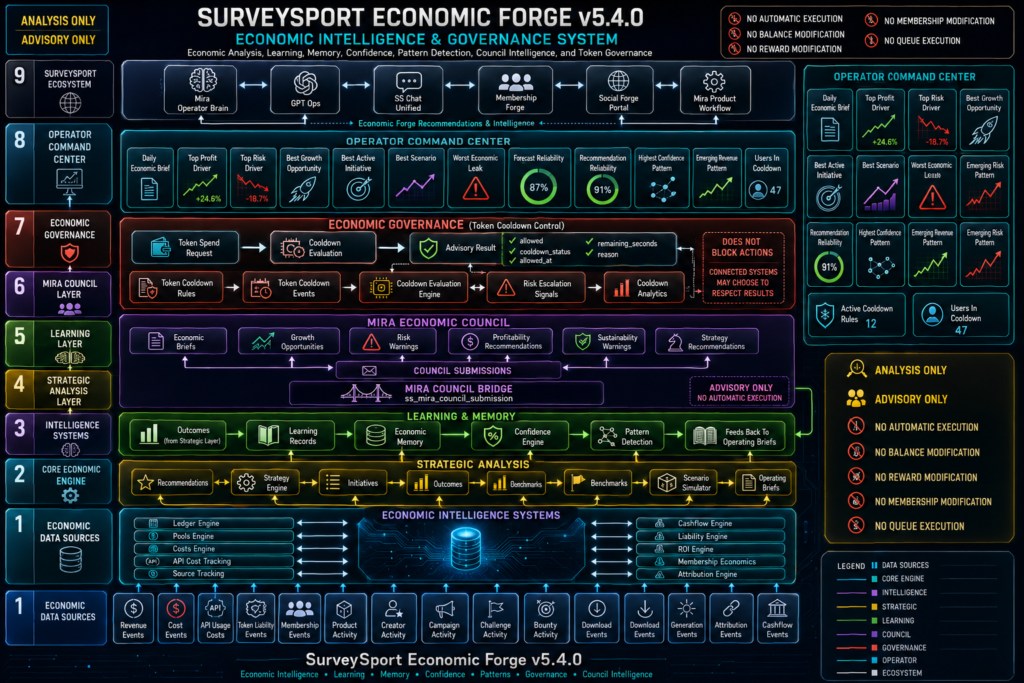
SurveySport Economic Forge

Practical AI Development for Teachers: Streamlining Classroom and Administrative Tasks

Practical AI Development for Teachers: Streamlining Classroom and Administrative Tasks

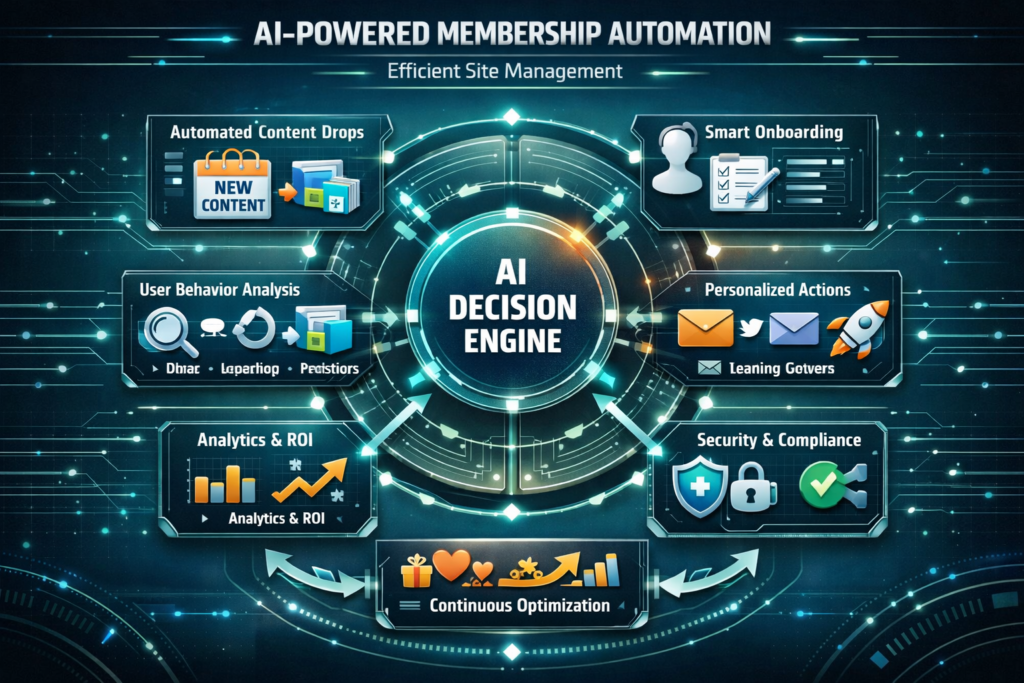
AI powered Automation

Teachers often juggle many roles—from lesson planning and student engagement to administrative paperwork. Using tailored AI development can help automate routine tasks, create clear workflows, and free up valuable time. This article explains practical AI operations in plain language, focused on real classroom use cases, so educators can understand and implement AI tools effectively.

Why Practical AI Operations Matter for Teachers

AI is not just a buzzword; it can solve everyday problems like managing student data, automating reminders, and supporting classroom management. Practical AI operations focus on automating specific tasks that teachers perform repeatedly, reducing manual effort while improving accuracy and consistency. This means more time for teaching and less time on admin.

Task-Relevant AI Workflows for Classroom Success

Developing AI workflows means designing automated processes that handle defined tasks. For example, an AI agent could:

  • Automatically generate printable reward coupons for classrooms to motivate students.
  • Send personalized reminders to parents about upcoming events or assignments.
  • Manage and analyze SEL (social-emotional learning) reflection pages without manual data entry.

These workflows streamline daily routines and support teachers in creating a more organized classroom environment.

Plain-Language Explanation: How AI Agents and Automation Work

Think of an AI agent as a digital helper that completes specific jobs when you ask. For example, instead of manually tracking attendance and rewards, an AI agent can log attendance, update records, and even print reward coupons automatically. Automation connects these steps into a workflow, so tasks happen smoothly without extra effort.

Real Implementation Example: Substitute Teacher Calm-Down Kits

Substitute teachers often face the challenge of managing classrooms without established routines. An AI system can provide a calm-down kit workflow: when a substitute logs in, the AI sends printable SEL reflection pages and calm-down activity prompts tailored to the age group. This reduces preparation time and keeps the classroom running smoothly.

Internal Link Suggestions for Further Learning

Measurable Next Action: Start with a No-Prep SEL Reflection Page Bundle

To begin integrating AI in your classroom, try using no-prep SEL reflection pages that can be automatically distributed and collected by AI tools. These save prep time and provide valuable insights into student wellbeing. You can shop the full bundle designed for easy classroom use.

Conclusion: A Practical Path to Smarter Teaching with AI

Practical AI development focuses on clear, task-relevant automation that supports teachers’ real needs. By adopting AI workflows—like printable reward coupons or substitute calm-down kits—educators can save time, reduce stress, and enhance classroom management. The key takeaway is to start small, choose AI tools that address specific tasks, and measure how they improve your daily routine. This creates a sustainable AI adoption path that benefits both teachers and students.

Practical AI Development: Streamlining Business Operations with Targeted AI Workflows

Practical AI Development: Streamlining Business Operations with Targeted AI Workflows

Artificial intelligence offers more than just buzzwords—it provides concrete tools for enhancing daily business functions. This article breaks down practical AI operations tailored to real-world business needs, explaining how clear, task-relevant AI workflows can improve productivity, reduce manual effort, and support safer business practices. If you’re an adult professional looking to implement AI with measurable results, this guide will clarify what to do next and where to start.

Understanding Practical AI Operations in Business

Practical AI operations focus on automating and optimizing specific, repetitive tasks within a business environment. Instead of vague promises, these operations are designed to solve clearly defined problems such as customer onboarding, workflow automation, or data context loading. The goal is to enable businesses to operate more efficiently while maintaining control and security.

Example: Automating Client Onboarding

Consider a consulting firm that manually processes new client information and schedules meetings. By developing an AI workflow that automatically collects client data, verifies inputs, and schedules appointments, the firm reduces errors and frees staff time for higher-value work.

Task-Relevant AI Workflows: How to Build Them

AI workflows should be designed with specific business goals. This includes defining the input data, outlining each step of the automation, and integrating memory or context loading to handle ongoing interactions smoothly. For example, a workflow might include:

  • Gathering customer requests via chatbot
  • Checking customer history for personalized responses
  • Routing complex queries to human agents
  • Tracking task completion and updating records automatically

Example: Customer Support Automation

A retail company uses an AI agent to handle common customer inquiries such as order status or return policies. The AI accesses past order data (memory), provides instant answers, and escalates issues as needed. This workflow improves response time and customer satisfaction without overwhelming support staff.

Ensuring Cybersecurity and Safe AI Deployment

Integrating AI into business operations requires safeguarding sensitive data and maintaining compliance. This means implementing secure data storage, access controls, and regular audits of AI decision-making processes. A well-constructed AI workflow also includes fail-safes and human oversight to mitigate risks.

Example: Secure Data Handling in Financial Services

Financial advisors deploy AI to analyze client portfolios and suggest actions. The workflow encrypts client information, restricts data access to authorized users, and logs all AI-generated recommendations. This approach balances AI efficiency with regulatory requirements and client trust.

Tools and Infrastructure for Effective AI Development

Developers and businesses should leverage AI platforms that support modular workflows, memory management, and integration with existing systems. Cloud-based AI services often provide scalable infrastructure, while specialized tooling assists with workflow automation and monitoring.

Example: Using AI Workflow Platforms

A marketing agency uses an AI platform to automate campaign reporting. The platform connects to analytics tools, compiles data, and generates client-ready reports. This setup reduces manual data gathering and allows marketers to focus on strategy.

Measuring Success: What to Track Next

Successful AI implementation requires tracking key performance indicators (KPIs) such as time saved, error rates, customer satisfaction, and security incidents. Setting clear metrics before deployment ensures the AI workflow delivers tangible business value.

For instance, after automating a customer support workflow, measure average response time, resolution rate, and customer feedback scores. Use this data to optimize and scale AI operations.

Internal Resources to Explore

Conclusion: Take Action with Clear AI Development Steps

AI development is most effective when focused on practical business use cases and supported by well-designed, task-relevant workflows. Begin by identifying your business’s most repetitive or manual processes and explore how AI can automate them safely with clear metrics for success. To get started, download the sample AI automation workflow and map it to your operations. Track improvements in efficiency and customer experience, then iterate for better results.

By adopting a structured, educational approach to AI development, adult professionals can confidently integrate AI tools that deliver measurable benefits without unnecessary complexity or risk.
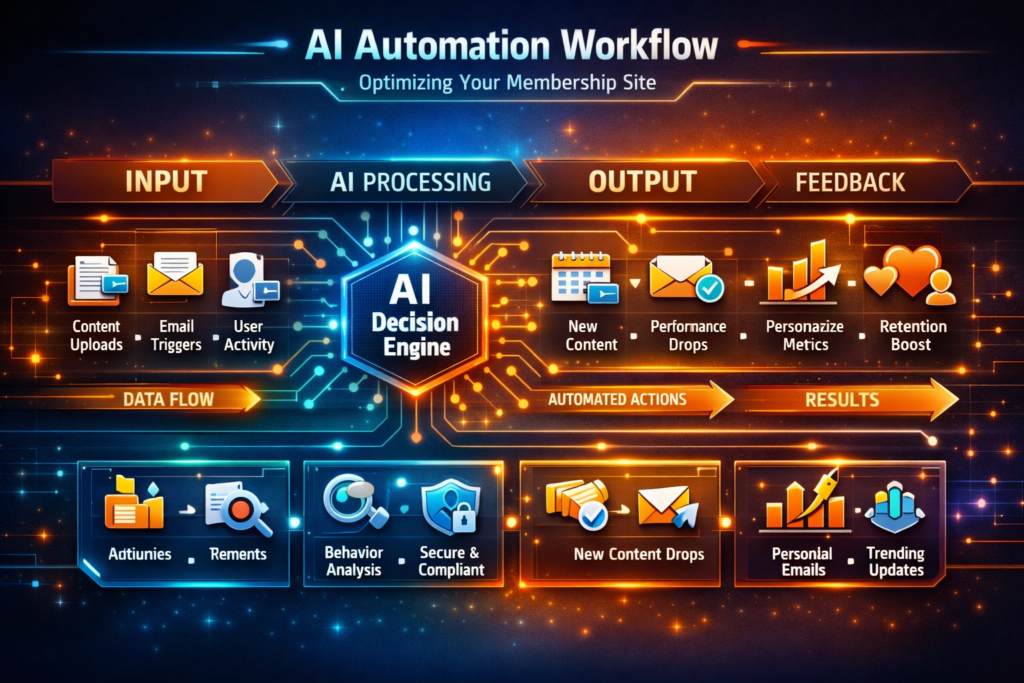
AI Workflow Example

Integrating Task-Relevant AI Workflows for Membership Site Success

Integrating Task-Relevant AI Workflows for Membership Site Success

automated workflow

Membership site owners often juggle numerous operational tasks—from managing content delivery to engaging users and handling support requests. While AI automation has become a popular topic, there remains a noticeable gap in practical guidance focused on tailoring AI workflows specifically to the unique operational needs of membership sites. This article aims to fill that gap by explaining clear, task-relevant AI workflows that membership site owners can implement today, using plain language and real-world examples.

Understanding Task-Relevant AI Workflows

Task-relevant AI workflows are AI-powered processes designed with a specific operational goal in mind. Instead of generic automation, these workflows focus on high-impact tasks that directly improve site management and member experience. Examples include automating member onboarding, personalized content recommendations, and proactive customer support.

For membership sites, this means using AI not as a vague “productivity booster” but as a targeted solution to recurring bottlenecks and manual chores.

Practical AI Operations for Membership Sites

Let’s break down three core operational areas where AI workflows can bring measurable improvements:

1. Automated Member Onboarding

Onboarding new members is critical but time-consuming. AI chatbots or assistant systems can guide new users through registration, membership tier selection, and initial content discovery. These AI agents can answer common questions instantly, reducing support tickets.

Example: An AI workflow triggers a welcome email sequence personalized to the member’s interests and membership level. Simultaneously, a chatbot helps users set up their profiles and suggests starter content based on their preferences.

2. Personalized Content Delivery

AI models can analyze member interactions to recommend relevant courses, articles, or events, keeping users engaged and reducing churn. This workflow involves collecting usage data, running recommendation algorithms, and integrating suggestions seamlessly into the user dashboard.

Example: If a member frequently accesses beginner tutorials, the AI can prioritize showing intermediate lessons next, encouraging progression without manual intervention.

3. Proactive Customer Support Automation

AI-driven ticket triage and automated FAQs can resolve common issues before they escalate. AI systems can classify incoming support requests and either provide instant answers or route complex issues to the right team, saving time and improving member satisfaction.

Example: When a member asks about payment issues, the AI automatically provides troubleshooting steps or directs them to billing support, reducing wait times.

Plain-Language Explanation of AI Workflow Implementation

Implementing these AI workflows does not require deep technical expertise. Many AI services offer no-code or low-code platforms that integrate easily with common membership site tools like WordPress plugins or CRM systems.

Start by mapping your most repetitive or time-sensitive tasks. Then explore AI tools that specialize in those areas—such as chatbot builders for onboarding or content recommendation APIs. Pilot small workflows, measure impact, and expand iteratively.


Internal Link Suggestion

For those looking to explore AI solutions that streamline repetitive business tasks, consider checking out Turn Repetitive Business Work Into Automated Flows. This resource offers actionable insights on designing AI workflows tailored to your business needs.

Measurable Next Action: Start with One Workflow

Choose one operational pain point in your membership site—such as onboarding or support—and identify an AI tool that can address it. Set a clear goal, like reducing manual onboarding time by 50% or cutting support ticket volume by 30%. Implement the workflow in a controlled way and track your metrics over 30 days.


Conclusion: Real AI Development for Real Business Needs

AI development for membership sites should be practical and measurable, focusing on workflows that solve specific business challenges. By targeting task-relevant AI solutions like automated onboarding, personalized content delivery, and streamlined support, site owners can enhance member experience while saving time and operational costs.

Start simple, measure results, and build on success. This grounded approach to AI operations will help membership sites grow sustainably without falling into the trap of vague automation promises.

Practical AI Automation

Practical AI Automation for Membership Site Owners: Streamlining Workflows and Boosting Productivity

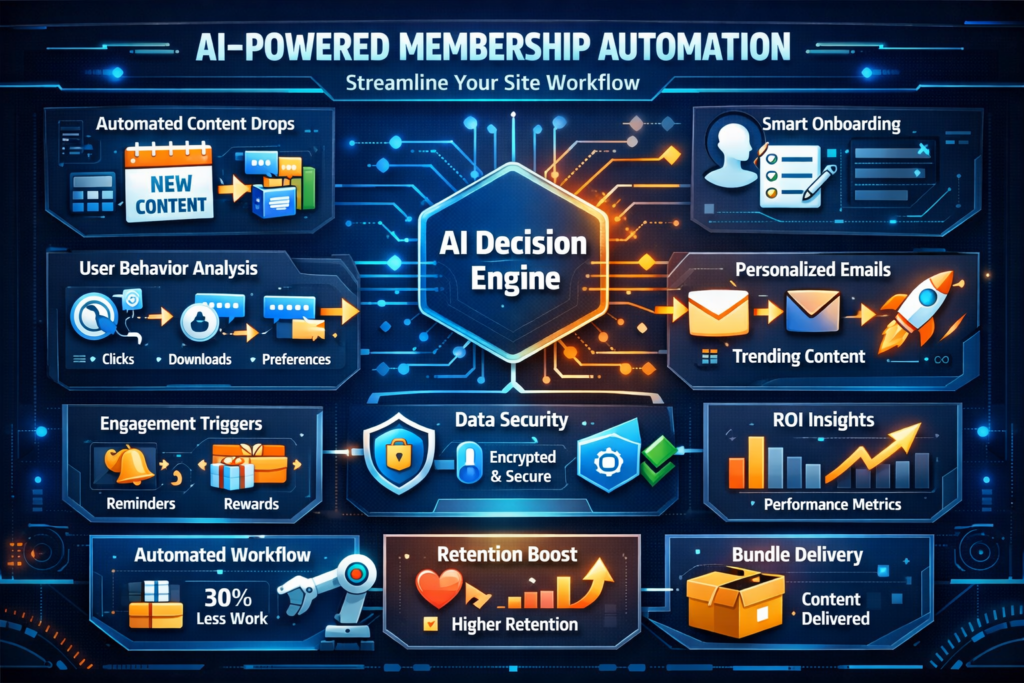
Imagine waking up each morning knowing your membership site’s essential tasks—from content delivery to member engagement—are running smoothly without your constant intervention. This story is becoming reality as AI automation tools empower membership site owners to optimize operations, reduce manual work, and create personalized experiences at scale. In this post, we’ll break down practical AI automation strategies tailored for membership sites, explain clear business use cases, and show how task-relevant AI workflows improve productivity and retention.

Common Pain Points Membership Site Owners Face

  1. Manual Content Management: Uploading, tagging, and scheduling new materials can be time-consuming and prone to errors.
  2. Member Engagement Challenges: Personalized communication and timely follow-ups often fall through the cracks.
  3. Onboarding Complexity: New members require custom workflows depending on their interests or subscription level.
  4. Data Overload and Context Switching: Managing member data, preferences, and site analytics across tools without automation can overwhelm operators.
  5. Security and Compliance Risks: Protecting member data and ensuring safe automation practices demand careful oversight.
These issues slow down growth, increase operational costs, and reduce member satisfaction.

How AI Automation Addresses These Challenges

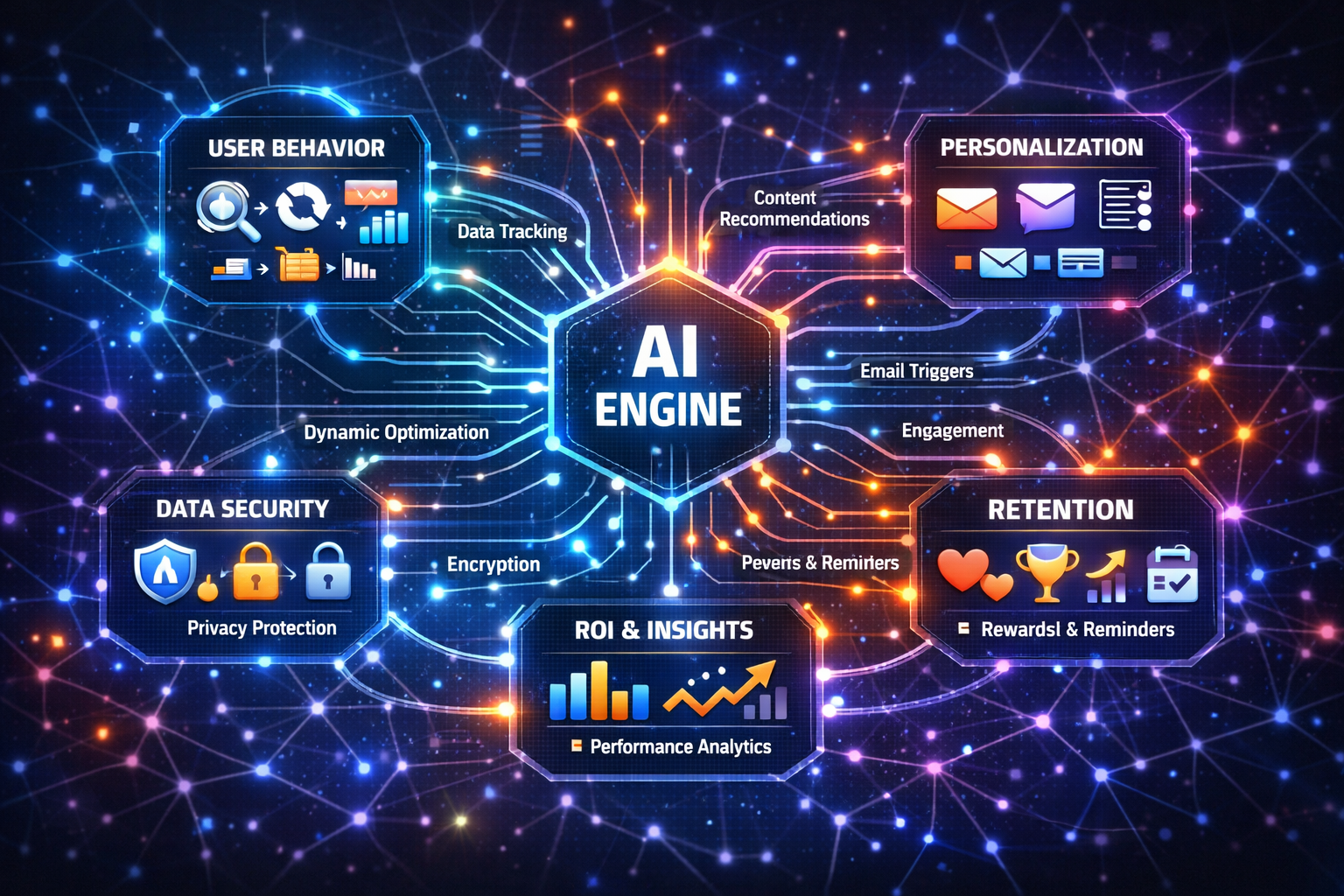
AI automation integrates intelligent agents and workflow orchestration to handle repetitive and data-intensive tasks. Here’s how it applies to membership sites:
  • Automated Content Delivery: AI can schedule and publish content based on member activity patterns, optimizing engagement without manual scheduling.
  • Personalized Member Communication: Agents analyze member behavior and trigger targeted emails or notifications, improving retention.
  • Dynamic Onboarding Workflows: AI workflows adjust steps based on member data, ensuring relevant resources and guidance.
  • Context-Aware Data Handling: Automation remembers member context and preferences across sessions, reducing redundant interactions and improving service quality.
  • Cybersecurity Integration: Automated monitoring detects suspicious activity or data breaches, providing early alerts and mitigating risks.
By automating these key operations, site owners save time, reduce errors, and create a seamless member experience.

Real-World Use Case: Automating Monthly Drops and Member-Only Bundles

Let’s consider a membership site specializing in digital self-care printables, offering monthly drops and exclusive bundles. Here’s a practical AI automation workflow:
  1. The AI agent monitors inventory and content readiness for upcoming monthly drops.
  2. It automatically schedules product releases aligned with trending niche themes like “Moon ritual journals” or seasonal motivators such as “New Year reset journals.”
  3. Based on member purchase history and engagement, personalized emails are triggered to notify members of new bundles or exclusive content.
  4. The system tracks member interactions to adjust future recommendations and content offerings, driving small-win dopamine cycles that boost retention.
  5. Security protocols run continuously to ensure member data and transaction safety throughout these processes.
This task-relevant AI workflow reduces manual coordination, improves timing accuracy, and increases member satisfaction.

Implementing AI Automation: Practical Steps for Membership Site Owners

Getting started with AI automation requires a clear plan and appropriate tools. Follow these steps:
  1. Identify Repetitive Tasks: Map out daily and monthly workflows that consume time but have clear rules.
  2. Choose AI Agents and Automation Platforms: Select tools that support workflow orchestration with memory and context loading capabilities. Look for platforms emphasizing cybersecurity and compliance.
  3. Design Workflow Triggers and Actions: Define when automation should activate — for example, new member signups, content updates, or payment confirmations.
  4. Test and Monitor: Run pilot automation sequences, monitor results, and refine context handling to reduce errors.
  5. Track Business Metrics: Measure improvements in productivity, member engagement, and retention to evaluate ROI.
For membership sites focusing on niche digital products like affirmation cards or printable planners, integrating AI automation enhances both operational efficiency and customer experience.

Frequently Asked Questions (FAQ)

Q: What is the difference between AI automation and traditional automation?

A: Traditional automation follows fixed rules and scripts, while AI automation uses intelligent agents capable of learning, memory, and context awareness. This allows for more adaptive and personalized workflows.

Q: Can AI automation handle sensitive member data securely?

A: Yes, when implemented with proper cybersecurity measures and compliance protocols, AI automation platforms can monitor, detect, and prevent security risks, protecting member data effectively.

Q: How quickly can I see productivity improvements after automating tasks?

A: Improvements vary by workflow complexity, but many membership sites report measurable time savings and engagement gains within weeks of deploying AI-powered task automation.

Q: Are there ready-made AI automation tools for membership sites?

A: Several platforms offer AI workflow builders tailored for memberships. Explore tools that integrate with your CMS and support key features like memory and context loading for best results.

Q: What kinds of membership site content benefit most from AI automation?

A: Evergreen content such as habit trackers, daily affirmations, and self-care planners, as well as seasonal bundles like New Year reset journals, perform well with automated delivery and personalized member targeting.

Conclusion: Take Practical Steps Toward AI-Powered Membership Success

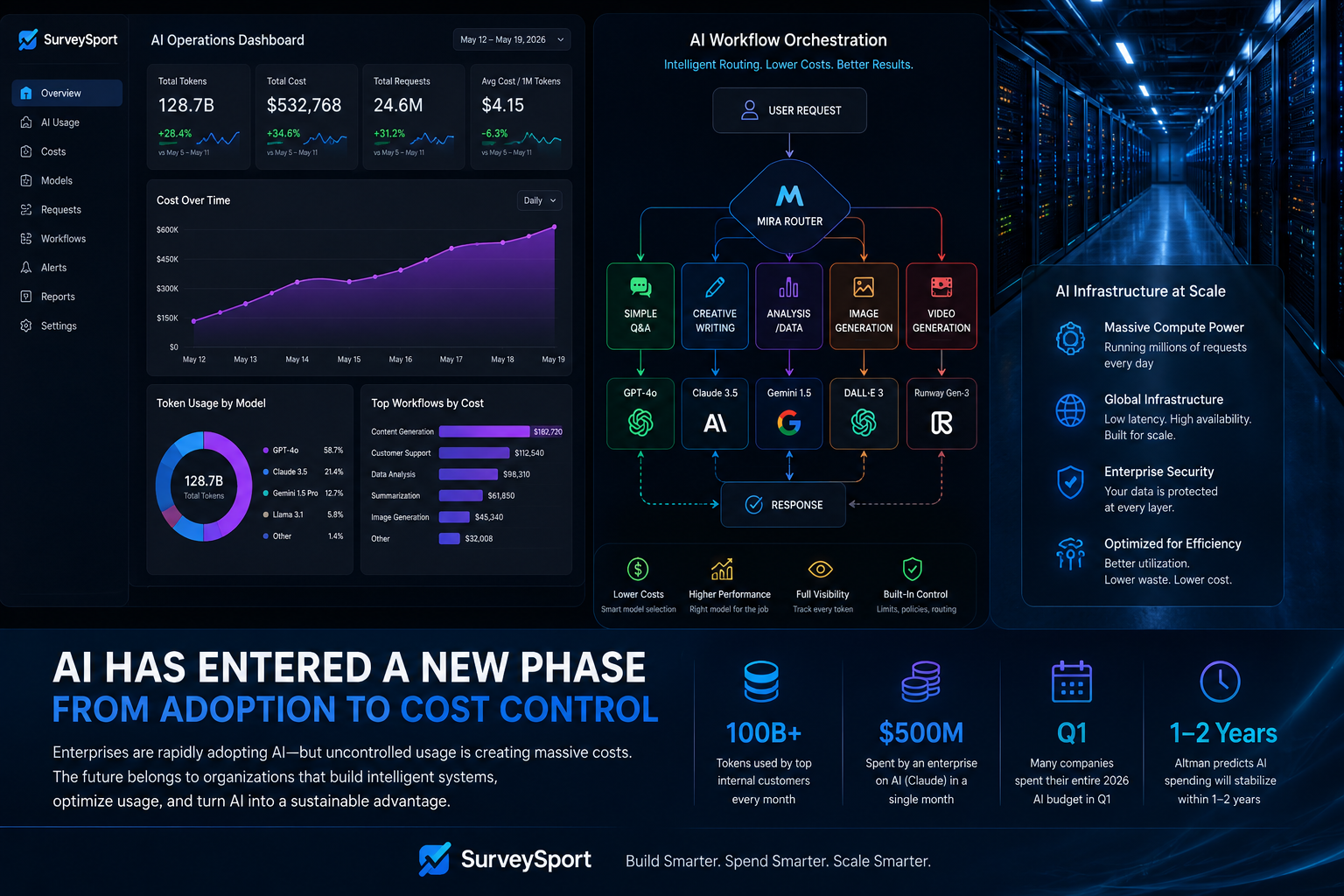
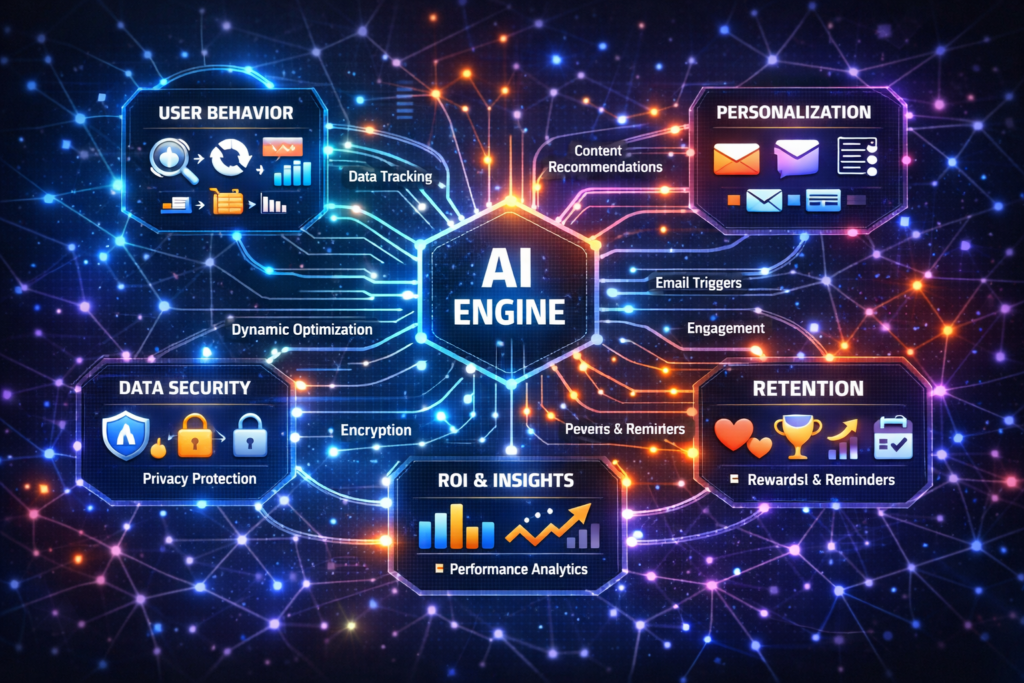
AI automation is not a vague future concept but a practical tool membership site owners can implement today to streamline workflows, personalize member experiences, and enhance security. By focusing on task-relevant workflows—such as automating monthly drops, personalized onboarding, and context-aware communication—you reduce manual overhead and unlock productivity gains that directly impact your bottom line. Ready to see AI automation in action? Download the sample of a niche-focused printable bundle and explore how AI can assist your content delivery and member engagement. Track your progress by measuring reductions in task time and improvements in member retention for a clear, actionable ROI. For further insights on managing AI costs and scaling automation within your membership site, check out our article on AI Has Entered a New Phase: From Adoption to Cost Control. AI Automation Workflow Visualization What we explained: Practical AI automation strategies tailored for membership site operations with clear workflows and business use cases. Who it’s for: Membership site owners seeking to improve productivity, member engagement, and operational security. Why it matters: Automation reduces manual workload, improves personalization, and supports secure business growth. What to click: Download the free sample of a niche printable bundle for hands-on experience. What to complete: Implement AI workflows for content delivery, member communication, and onboarding. What result to track: Time saved on manual tasks and increases in member retention and engagement.

Hi, I'm Mira. Tap the Mira button anytime to open or close the guide.